
Compare a Ngorongoro safari by its particulars
Read the named places, transport, guiding and inclusions behind a safari description before comparing its headline price.
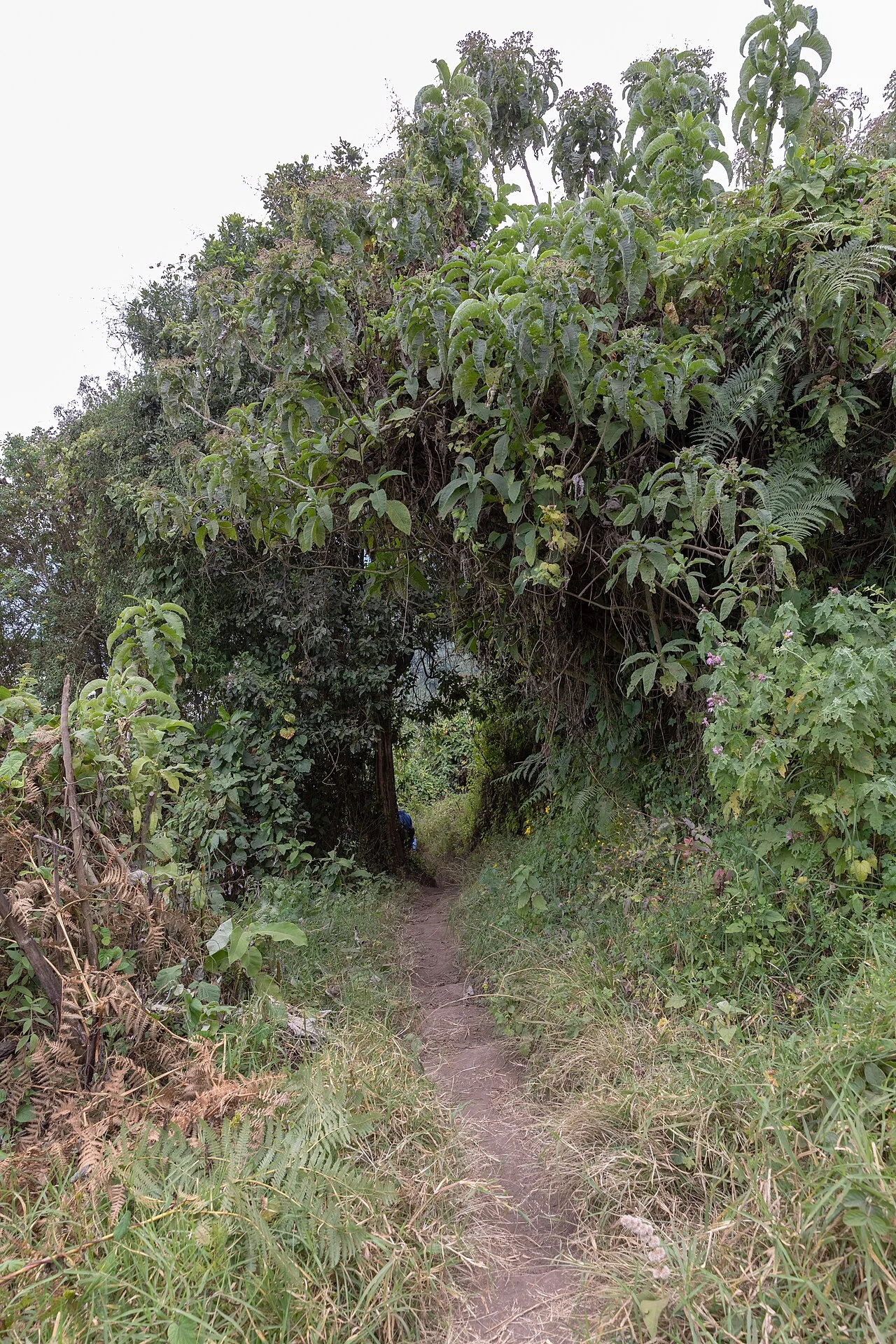
Two listings can both mention Ngorongoro while describing different experiences. One may focus on a crater visit, another may form part of a wider Tanzania journey, and a third may emphasize highland walking or archaeological interpretation. A useful comparison starts with those particulars. The shared destination name is only the beginning.
Make the route explicit
Write down the named starting point, main places and finishing point. Check which of them are actual activities and which are transfer references. An accommodation location, a viewpoint and a park entry are different kinds of information. If a proposal combines several places, ask the provider to explain how they fit together rather than filling gaps with assumptions.
Our comparison links may include wider Tanzania offers. Read the complete provider description to establish whether Ngorongoro is actually included and what that inclusion means. A photograph or search label should not override the written itinerary. Keep a copy of the details you rely on when deciding.
Compare the same components
| Component | Useful question |
|---|---|
| Transport | What vehicle use and transfers are included? |
| Guiding | Who guides each activity, and in what language? |
| Access and fees | Which permissions or charges are covered, and which remain separate? |
| Walking | What activity, terrain and support are described? |
| Changes | How are weather, access changes and cancellation handled? |
A clear answer may matter more than a long list of general inclusions. If you need a particular language, vehicle arrangement or pace, make it part of the discussion before choosing. Do not assume that a label such as private, guided or all-inclusive resolves every detail.
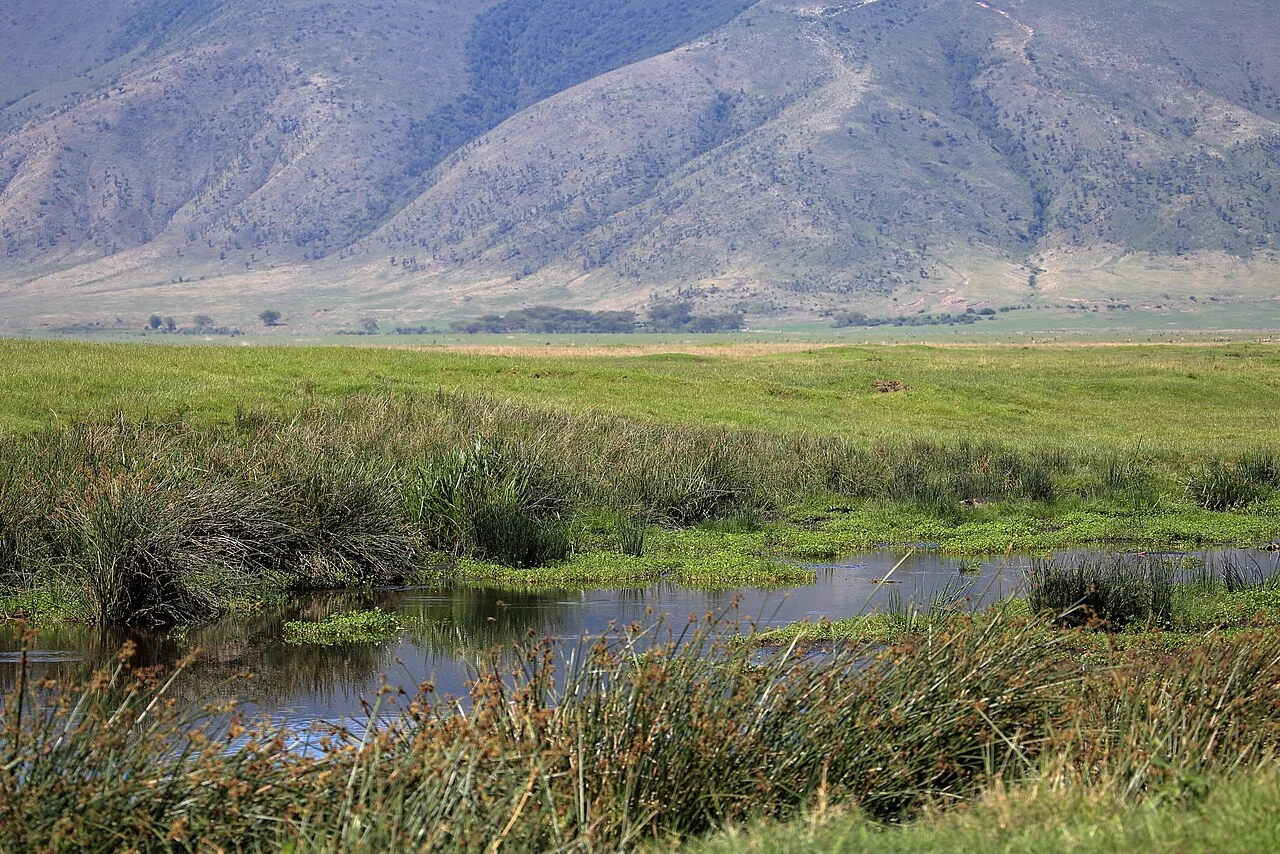

Read the price in context
Check the currency, unit and date shown by the provider. A starting price may apply to a particular option or party arrangement. Follow through to the full details before comparing it with another listing, and identify which costs are included in each. This guide does not set provider prices or establish current availability.
Reviews can help you understand another traveler’s account, but read them beside the actual service described. A review of a longer journey may not answer questions about a different option. Treat ratings, photographs and summaries as parts of the comparison rather than substitutes for a precise written arrangement.
Choose the kind of attention you want
Think about the balance that interests you: observation, broader landscape, walking, interpretation or a combination. The most suitable proposal need not contain the largest number of stops. A focused visit with clear explanations may fit one traveler better, while another may prefer a wider introduction. Make the reason for your choice explicit.
Before committing, confirm the current route, meeting instructions, inclusions and service terms with the named provider. Use NCAA’s current visitor information where authority requirements are relevant. Keep expectations flexible about weather and wildlife, and avoid reading a sample schedule as a guarantee. A considered safari comparison joins the appealing view to the practical detail behind it.
Operational starting point: NCAA visitor information. Confirm current requirements directly; this article supplies comparison questions rather than a tariff or access schedule.