
Listen to the people behind the landscape
A destination is also a lived place. Read attributed community perspectives alongside landscape and visitor information.
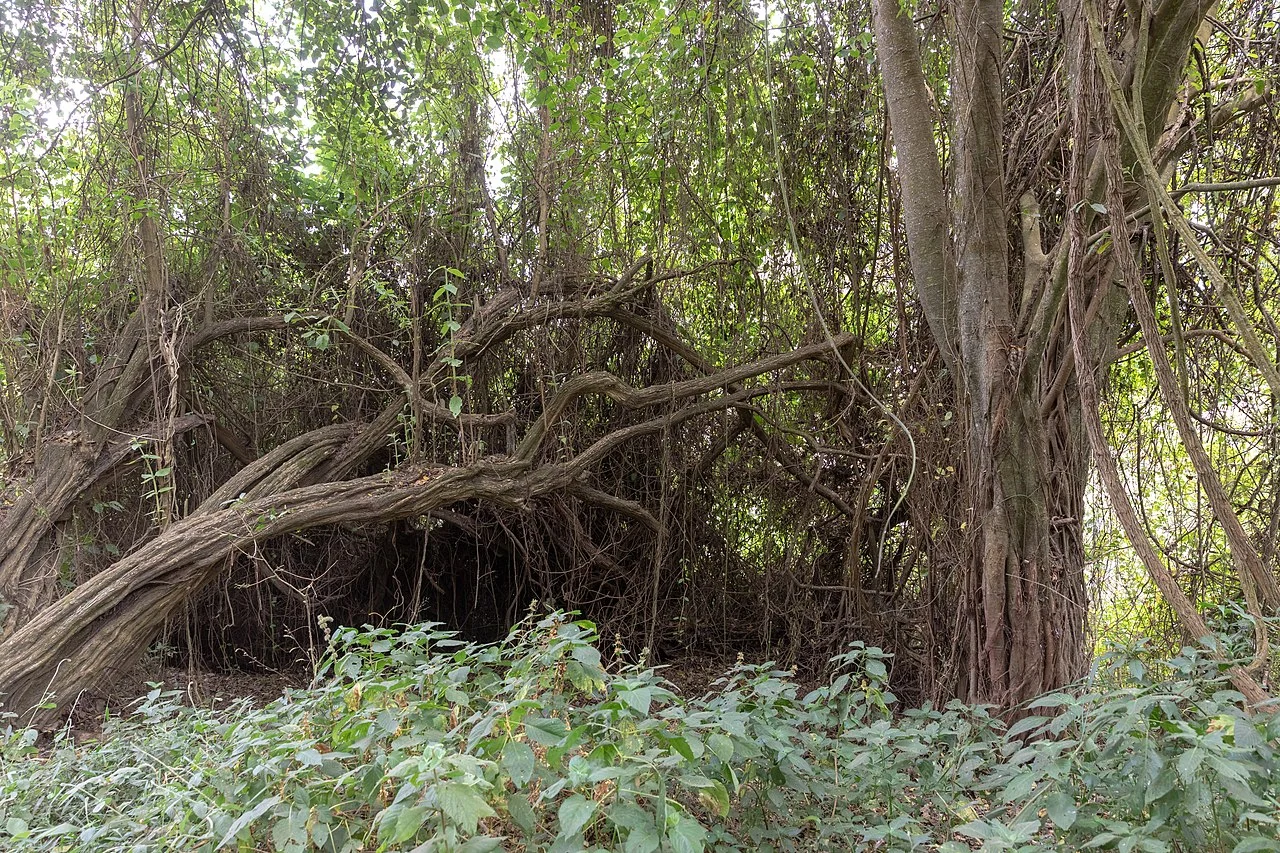
Landscape photographs can make a place appear detached from the people whose lives are connected with it. Ngorongoro needs a fuller reading. Alongside wildlife, highlands and archaeology, consider the perspectives of people who speak about land, livelihoods and their own future. A visitor guide should make those perspectives visible without claiming to speak for everyone.
Begin with an attributed voice
Joseph Moses Oleshangay’s statement for the 2023 Weimar Human Rights Award discusses his advocacy concerning Maasai communities in Ngorongoro and Loliondo. The City of Weimar’s award record identifies him as a Maasai lawyer. Reading his own published statement provides a named perspective and a clear source, rather than an anonymous cultural description attached to a scenic photograph.
His statement is a primary account of his work and concerns. It should be read as such, with its date and authorship intact. A short quotation cannot stand for the full statement, and one person’s account should not be treated as evidence that every resident has the same experience or view. Follow the source link when you want the fuller context.
Distinguish description from agreement
Words such as community, conservation and participation can sound reassuring while leaving important questions unanswered. In its April 2026 statement on Ngorongoro, UNESCO emphasizes community rights and participation in decisions affecting their lives. The statement is a useful reminder that a tourism description should not present the area’s lived context as uncomplicated or uniformly agreed.
You can read visitor information and community perspectives together without assuming that they serve the same purpose. An authority page may explain a site or visitor arrangement. A person’s own account may describe interests or concerns that a route description does not address. Keeping the source and purpose of each visible makes the comparison more honest.
Ask about the particular encounter
If an itinerary proposes a community visit, ask who is arranging it, who has agreed to host and what the visit actually involves. Do not assume that a general place name provides consent for photographs, entry into homes or participation in an activity. The person responsible for the arrangement should be able to explain it clearly, and the people present retain their own choices.
- Read the name and role of the host or organization.
- Ask how participation is agreed and what is included.
- Seek permission before making identifiable photographs.
- Avoid treating ordinary work or private life as a performance.
- Allow people to explain their own practices and preferences.
Read a person’s account with its name, date and original source intact.
Keep people in the present
Living communities are not illustrations of an unchanging past. Be cautious with descriptions that reduce people to costume, a single occupation or a staged image. Precise names, dates and self-authored accounts offer a better starting point than decorative patterns or generalized claims about tradition.
This guide uses published material to support a more considered reading of the destination. It does not supply community access or make an agreement on anyone’s behalf. When choosing an experience, ask practical questions of the named provider and seek the voices of the people concerned. The quality of the explanation matters as much as the range of places listed.
Primary reading: Oleshangay’s statement, 5 December 2023; City of Weimar award record; UNESCO statement, 23 April 2026.