
Let interpretation lead at Olduvai
Approach Olduvai through its museum, landscape and research context, keeping it distinct from a crater wildlife visit.
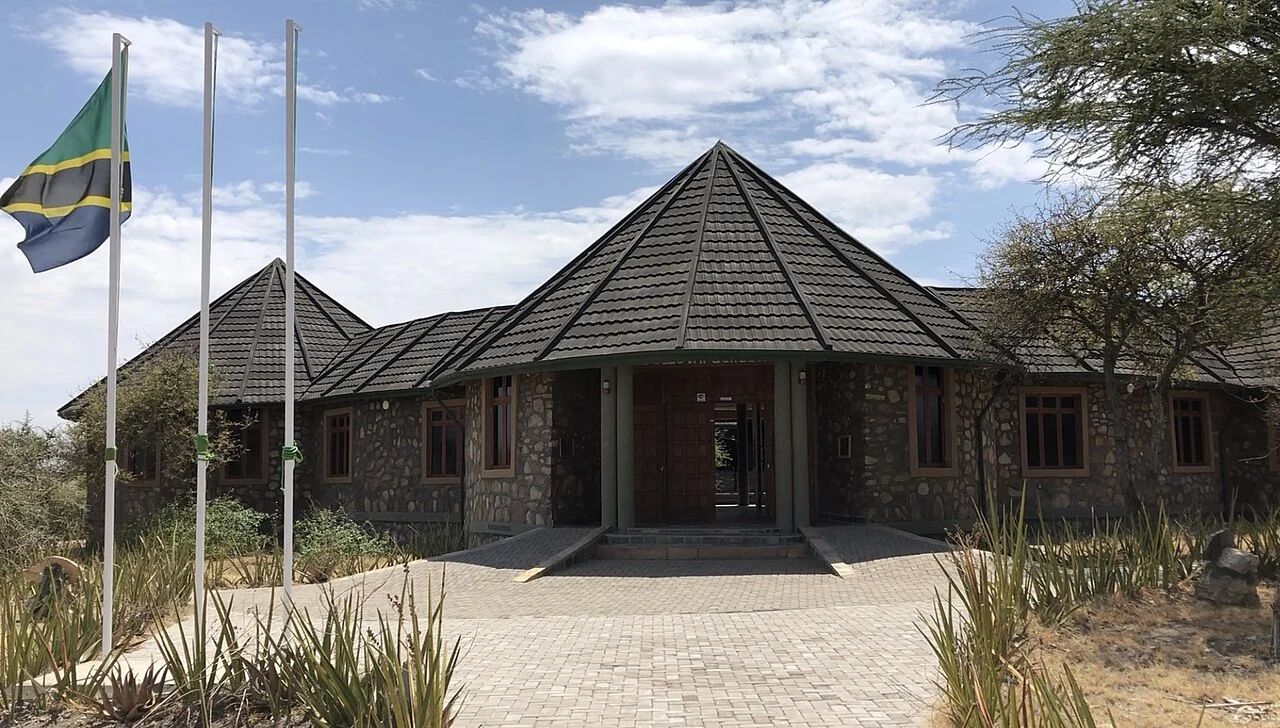
Olduvai belongs in a Ngorongoro journey for a different reason from a wildlife observation stop. Its significance comes from archaeological research and the interpretation of evidence. A broad view of the gorge can introduce the landscape, but the meaning of what has been found there needs explanation. Give that explanation its own place in your planning.
Keep the gorge and crater distinct
Olduvai is part of the wider conservation-area and Geopark context. It is not a feature on the floor of Ngorongoro Crater. UNESCO’s heritage record includes both natural and cultural significance, while the Geopark’s North Route describes the gorge and museum as an interpretive setting within the wider landscape. Naming them separately helps prevent a very different visit from being reduced to a passing label.
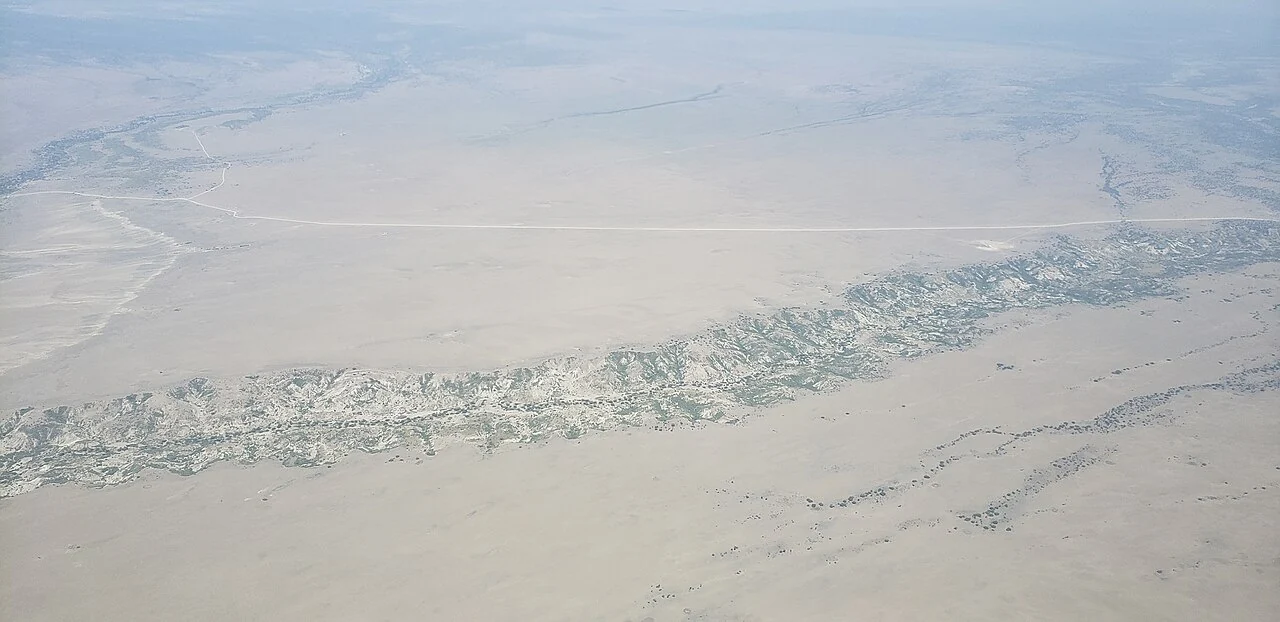
Our aerial photograph is explicitly identified as a view looking south. It explains the gorge’s broader setting, not what every visitor sees from a museum terrace or an agreed stop. The museum exterior likewise shows a building on a particular date. Neither photograph is a promise of current opening, access to research areas or a particular exhibition.

Ask what the visit will explain
A good description should identify the museum or interpretation stop and the kind of guiding included. Ask who provides the explanation, how it fits into the wider visit and whether there is an opportunity to ask questions. An itinerary that simply lists Olduvai may leave those practical details unresolved.
You do not need specialist knowledge to prepare useful questions. Ask what a display represents, how a finding is dated or interpreted, and which aspects remain subjects of research. Distinguishing an original object, a cast, a reconstruction and an explanatory image is part of reading a museum carefully. Use the labels and the guide’s explanation rather than relying on a photograph you encountered elsewhere.
Give research its own boundaries
A museum visit and access to an excavation are different arrangements. The Geopark describes official guiding for actual excavation visits. Treat that as a reason to confirm current requirements, not as an invitation to leave an agreed visitor area. Research places, displays and routes should be used according to the instructions that apply during your visit.
- Confirm the named museum or interpretation location.
- Check what admission and guiding the provider includes.
- Ask about current visitor access and any separate arrangements.
- Follow the stated rules for photography and handling displays.
- Keep the distinction between public interpretation and active research clear.
Read the landscape after the explanation
The wide view can become more meaningful after a careful introduction. Features that initially looked like a pattern of exposed ground may acquire a clearer relationship to the account you have just heard. That does not require turning the visit into a technical lesson; it means allowing the explanation and the place to inform one another.
When comparing safari proposals, look for enough clarity to understand the role of this stop. Is it a substantial part of the journey or a brief addition? Does the description name the interpretation setting? Ask for the details that matter to you before choosing, and keep current operational information separate from the enduring significance of the place.
Background: Geopark North Route, Olduvai Gorge and Museum and UNESCO’s mixed heritage record.