
About this guide
The independent editorial purpose, sources and photographic approach behind Ngorongoro Safaris.
Ngorongoro Safaris is an independent editorial guide to the different contexts of a Ngorongoro visit. We bring together landscape reading, archaeological interpretation, published community perspectives and practical questions for comparing named experiences.
A view is a starting point
The crater, surrounding highlands and Olduvai do not tell the same story. This guide keeps their names and settings visible, so a broad photograph does not replace an explanation of what a particular experience involves.
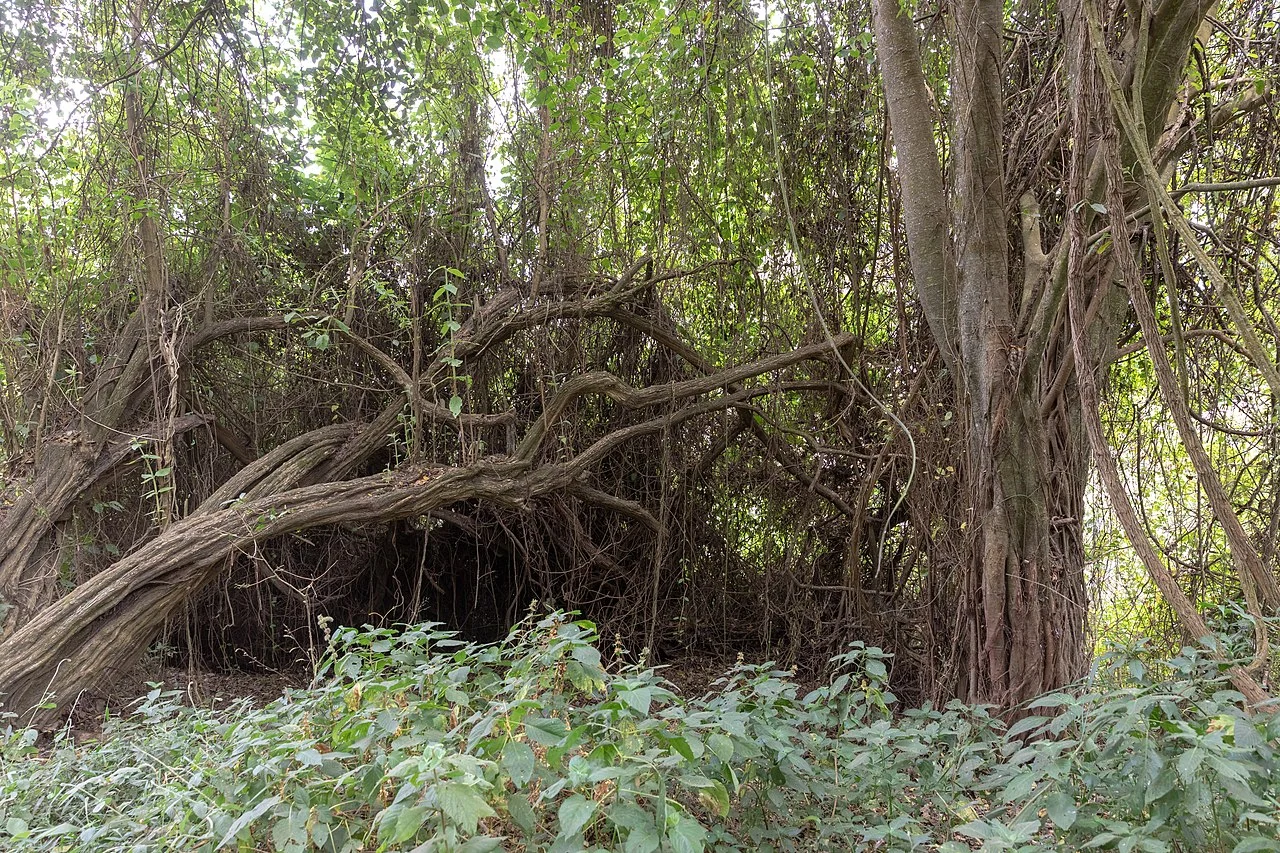
.jpg)
Sources and people
Our factual background comes from primary material such as NCAA’s Geopark pages, UNESCO’s heritage record and named published statements. Community perspectives retain their authorship and dates. Joseph Moses Oleshangay’s 2023 statement is linked as his own published account, while UNESCO’s April 2026 statement supplies a separate institutional perspective.
We do not speak for a community or treat people as a decorative part of the landscape. The guide encourages readers to consult original sources and ask about the arrangements behind a proposed visit.
How this guide works
Pages, guides and photographic captions can be updated as the editorial material develops. Photographs retain their named locations, dates, creators and licenses. A documentary image describes its recorded setting; it does not promise identical conditions during a future visit.
Experience listings are supplied by independent providers and may include broader Tanzania routes. We do not operate the tours, issue permits, own vehicles or supply local guiding. Follow the named provider’s current itinerary and service terms when considering an arrangement.
Corrections and enquiries
If a description needs clarification, use the Contact page. Please identify the page and the point you want us to review. This guide cannot confirm another organization’s availability, access permissions or booking arrangements.
Primary context: UNESCO heritage record, Ngorongoro Lengai Geopark, and UNESCO statement, April 2026.